
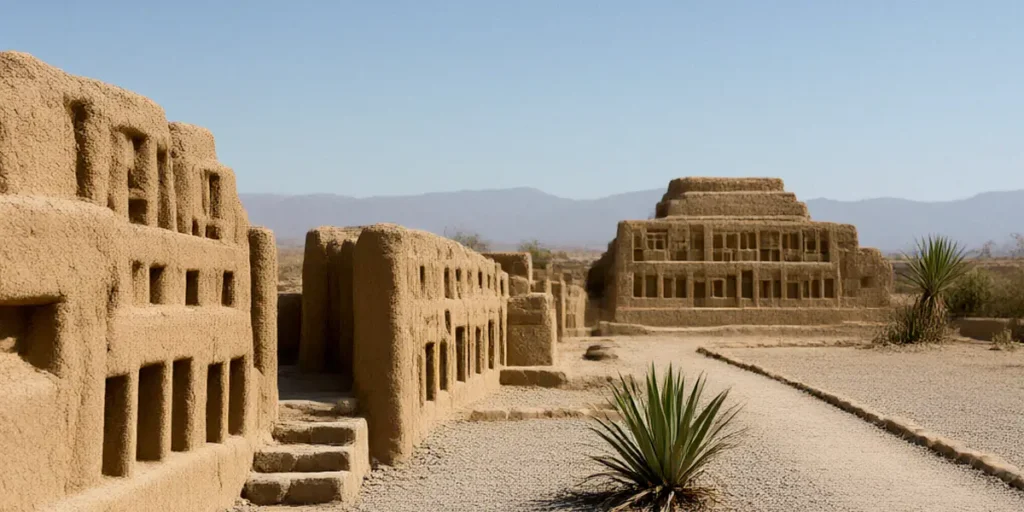
Chan Chan: The Adobe City Near Trujillo
Standing at the edge of Chan Chan, the largest adobe city in the world, is one of those travel moments that stays with you. Spread across roughly 20 square kilometres of desert outside Trujillo, its sand-coloured walls and labyrinthine corridors once formed the beating heart of an empire that rivalled the Inca. For Australian travellers who have already ticked off Machu Picchu — or who simply want to see something far older and far quieter — Chan Chan deserves a genuine place on your Peru itinerary. We think it is one of the most underrated archaeological sites in South America, and here is everything you need to know before you go.
What Is Chan Chan and Why Should Australians Visit?
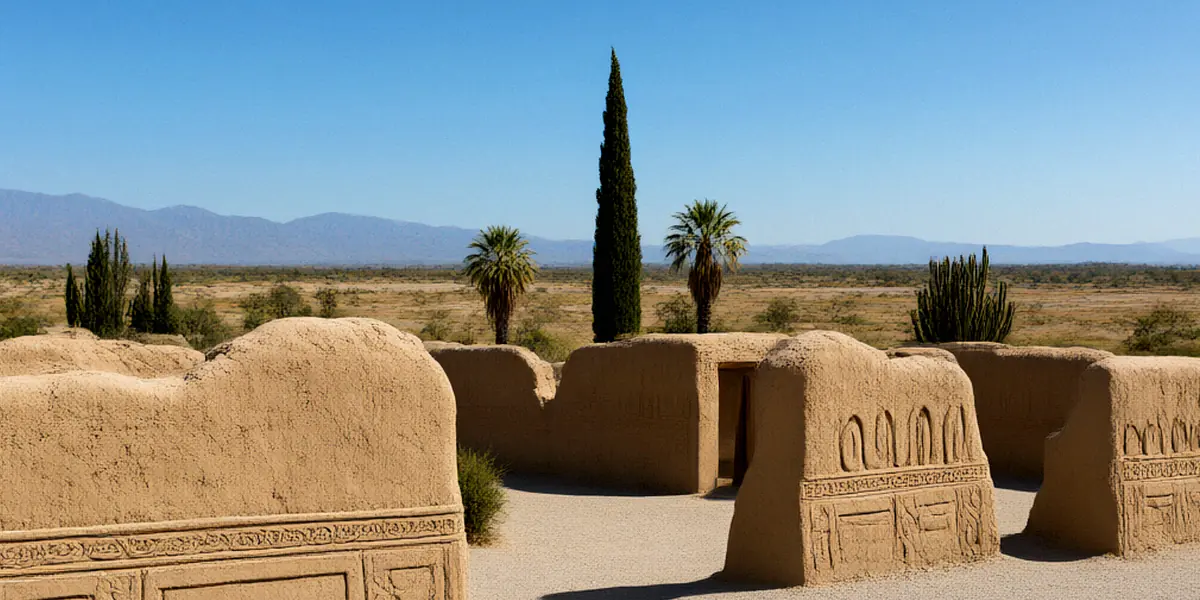
Chan Chan was the capital of the Chimú Empire, a powerful civilisation that dominated Peru’s northern coast from around 900 AD until the Inca conquest in the late 15th century. At its peak, it housed tens of thousands of people and covered an area larger than modern-day Trujillo’s historic centre. For Australians used to the stone architecture of Europe or the Inca’s granite masonry, the sheer scale of mud-brick construction here is genuinely surprising — and it is precisely why we recommend it.
The Chimú Empire and Its Legacy
The Chimú built Chan Chan as a planned city of ten walled citadels, each containing temples, reservoirs, burial platforms, and workshops. They were master metallurgists and hydraulic engineers, channelling water from distant rivers to sustain a city in one of the driest deserts on earth. When the Inca conquered the Chimú around 1470, they absorbed much of their craft knowledge — a legacy you can still see in Inca metalwork and administrative systems. Walking through Chan Chan gives you context for the Inca world that Machu Picchu alone cannot provide.
UNESCO Status and Preservation
Chan Chan has been a UNESCO World Heritage Site since 1986, recognised for its outstanding universal value and its unique earthen architecture. Preservation is a constant battle: El Niño rains and coastal humidity slowly erode the adobe, so sections are periodically closed for conservation. That is one reason we suggest visiting sooner rather than later — and following the marked routes so future travellers can enjoy it too.
Getting to Chan Chan from Australia
Reaching northern Peru takes a bit of planning, but the route is straightforward once you know the legs. Most Australians fly into Lima first, then continue north to Trujillo, the gateway city for Chan Chan.
Flights from Sydney and Melbourne to Lima
There are no direct flights from Australia to Peru. Qantas and LATAM offer flights from Sydney and Melbourne to Lima with stops, typically routing through Santiago, Auckland, or Los Angeles. Total travel time usually lands between 22 and 30 hours depending on the connection. We recommend booking at least six to eight weeks ahead for better fares, and building in a rest day in Lima before heading north.
From Lima to Trujillo: Bus vs. Flight
You have two solid options for the 560-kilometre journey north:
- Flight: LATAM and Sky Airline run daily services from Lima to Trujillo’s Capitán FAP Carlos Martínez de Pinillos Airport. The flight takes about 1 hour 15 minutes and is the fastest option if your time is limited.
- Bus: Overnight and daytime buses with Cruz del Sur or Oltursa take 8 to 10 hours along the Panamericana. Executive-class seats are comfortable, and overnight departures save you a hotel night.
We usually suggest flying if you have under two weeks in Peru, and taking the bus if you want to see the coastal desert landscapes unfold.
Local Transport to Chan Chan
From central Trujillo, Chan Chan is about 5 kilometres northwest. A taxi or rideshare takes 15 to 20 minutes and costs a few dollars. Local combis (minibuses) also run along the route, but for a first visit we recommend a taxi for ease. Many organised tours include hotel pickup and drop-off.
Exploring the Adobe City: Key Structures and Highlights
Chan Chan is not a single ruin but a sprawling complex of ten citadels, and only a portion is open to visitors. Here is what to prioritise.
Tschudi Compound: The Best-Preserved Palace
The Tschudi Compound is the star of any Chan Chan visit. It is known for its intricate adobe friezes — geometric patterns, fish, birds, and mythological creatures pressed into the mud walls and still remarkably sharp after centuries. Look for the ceremonial courtyard, the audiencias (U-shaped ceremonial seats), and the walk-in well that once supplied the palace with water. This is where you will want to slow down and take photos.
Rivero Compound and Its Unique Features
The Rivero Compound is smaller and less restored than Tschudi, but it offers a rawer look at Chimú urban design. Its layout includes storage areas and residential quarters that hint at how the city functioned day to day. If you have time for only one compound, choose Tschudi; if you have two hours, add Rivero for contrast.
Huacas and Ceremonial Sites
Beyond the citadels, the surrounding Moche Valley is dotted with huacas — sacred pyramid mounds. The most famous nearby are the Huacas del Sol y de la Luna, built by the earlier Moche civilisation. Huaca de la Luna, in particular, has vivid polychrome murals that pair beautifully with a Chan Chan visit. Together, they show you two distinct pre-Inca cultures in a single day.
Practical Tips for Visiting Chan Chan
A little preparation makes a big difference at Chan Chan, especially given the desert climate.
Best Time to Visit and Weather
The dry season from May to October is the most comfortable window, with mild temperatures and low rainfall. December to March brings warmer weather but also the risk of occasional rain linked to El Niño. Trujillo is coastal desert, so mornings are often overcast and cool while afternoons turn sunny and warm.
Tickets, Tours, and Guides
Entry tickets are sold at the site museum and cover the main compounds. Hiring a licensed guide is worth the modest extra cost — without context, the adobe walls can blur together. Many Trujillo hotels can arrange English-speaking guides, and day tours typically combine Chan Chan with Huaca de la Luna.
What to Pack and Expect
- Sun hat, sunglasses, and high-SPF sunscreen — shade is limited.
- Comfortable walking shoes for uneven dirt paths.
- Plenty of water; the site is exposed and dry.
- A light jacket for overcast mornings.
- Cash in Peruvian soles for tickets, guides, and snacks.
Expect limited facilities on site, so use the museum restrooms before you start walking.
Combining Chan Chan with Other Peruvian Highlights
Chan Chan works best as part of a broader northern Peru route, and it links neatly with the classic southern circuit.
Northern Peru: Trujillo and Chiclayo
Base yourself in Trujillo for two or three nights to cover Chan Chan, Huaca de la Luna, and the colonial centre. Then head north to Chiclayo to see the Lord of Sipán tomb at the Royal Tombs of Sipán Museum — one of the finest archaeological museums in the Americas.
Linking to Cusco and Machu Picchu
From Trujillo, fly back to Lima and connect to Cusco for the Inca heartland. A logical route looks like this:
- Lima — 2 nights for museums and food.
- Trujillo — 2 to 3 nights for Chan Chan and the Moche huacas.
- Cusco and the Sacred Valley — 3 to 4 nights.
- Machu Picchu — 1 to 2 nights in Aguas Calientes.
This gives you both the pre-Inca north and the Inca south in a single, well-paced Peru travel itinerary.
FAQ
Is Chan Chan worth visiting compared to Machu Picchu?
Yes. Chan Chan offers something Machu Picchu cannot: a vast adobe city with almost no crowds, plus deep context on the Chimú Empire that preceded the Inca. We recommend both on a full Peru trip.
How long do you need at Chan Chan?
Allow two to three hours for the main compounds and museum. Add another half-day if you are combining it with Huaca de la Luna.
Can you visit Chan Chan independently from Trujillo?
Absolutely. Take a taxi from central Trujillo, buy your ticket at the entrance, and hire a guide on site. Tours are convenient but not essential.
What is the entrance fee for Chan Chan?
Fees are modest and set in Peruvian soles, with discounts for students and children. Prices change periodically, so confirm current rates at the site museum or your hotel.
Is Chan Chan accessible for travellers with limited mobility?
Parts of the site have uneven dirt paths and few handrails. The main Tschudi Compound is the most manageable section, but we suggest contacting the site in advance if you have specific access needs.
Chan Chan is the kind of place that rewards curiosity — a mud-brick metropolis that predates the Inca and still holds its own against any ruin in Peru. For Australian travellers, it is a quieter, cheaper, and less crowded counterpoint to Machu Picchu, and it fits naturally into a northern Peru route. Add it to your Peru travel plans, and you will come home with a story most people have never heard.