
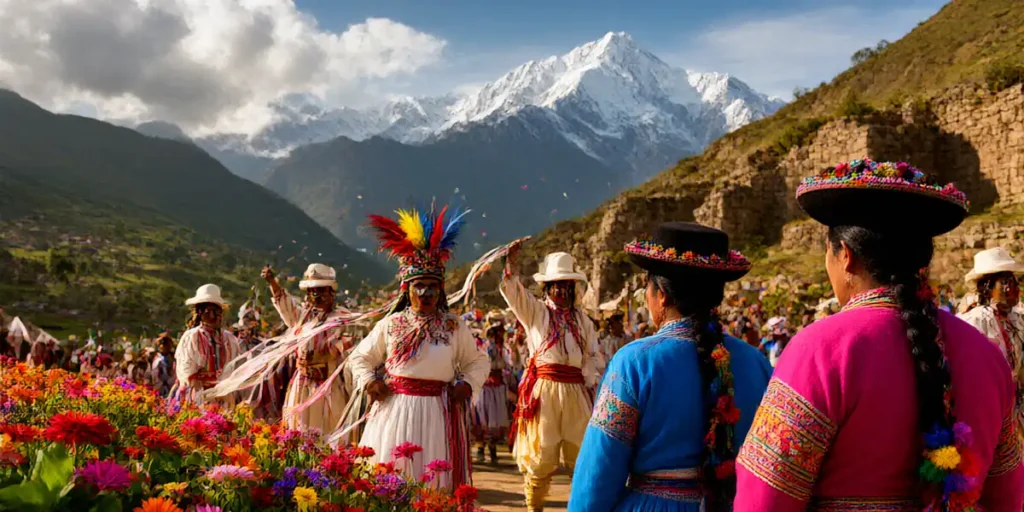
Peruvian Festivals by Month: A Guide for Australian Travellers
Timing your Peru trip around festivals can make or break your experience, especially when you’re juggling limited annual leave and long-haul flights from Australia. We’ve seen travellers land in Cusco during Inti Raymi with no hotel booked, and we’ve seen others plan a year ahead and score front-row seats to processions they’ll never forget. The difference? Knowing which festivals fall in which month, and what they mean for crowds, prices, and logistics. This guide walks you through Peru’s festival calendar month by month, with practical advice for Australians planning that once-in-a-lifetime trip.
Why Festivals Should Shape Your Peru Travel Plans
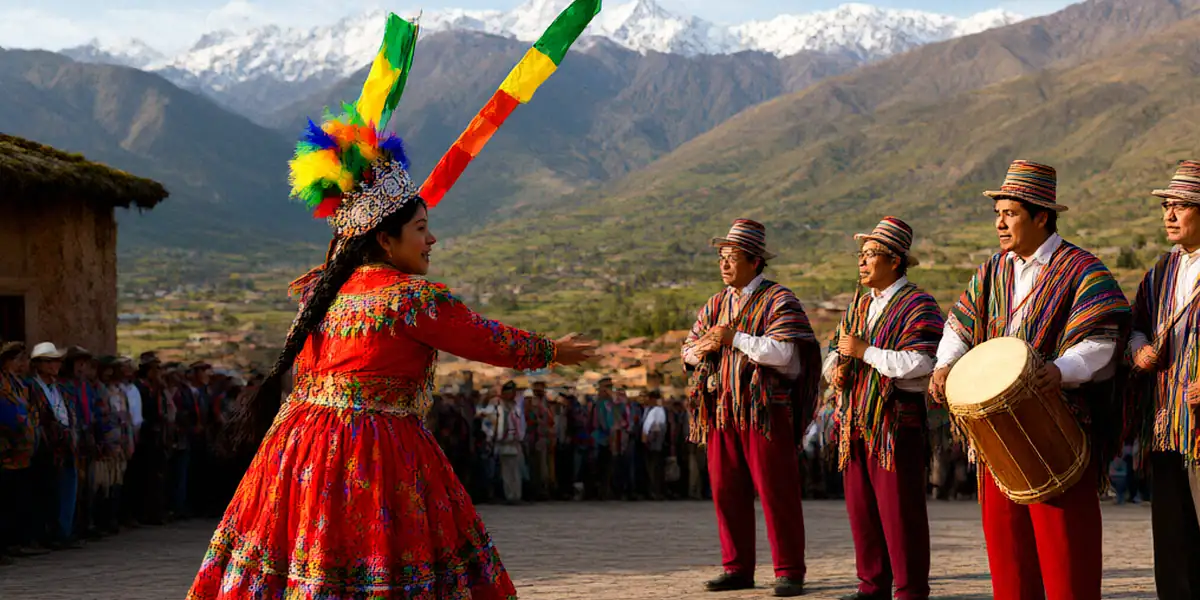
Peru celebrates something almost every week, but a handful of festivals genuinely transform the travel experience. They offer deeper cultural immersion — you’re not just seeing Inca ruins, you’re watching living Andean traditions unfold around you. The trade-off is real, though: festivals bring crowds, higher prices, and sold-out transport. Australian travellers often visit during June-August, which overlaps with the dry season, Inti Raymi, and Fiestas Patrias. That’s peak everything. If you can be flexible with dates, shoulder-season festivals often deliver the same magic with fewer people.
Peak Season vs. Festival Season: What Aussies Need to Know
Peak season in Peru (June-August) is also festival season, which means accommodation in Cusco and Aguas Calientes can triple in price. If your annual leave is locked to July, book everything at least four to six months out. If you have flexibility, consider May or September — you’ll still catch major events like Qoyllur Rit’i or Mistura, but with more breathing room.
How to Balance Machu Picchu Permits with Festival Dates
Machu Picchu entry is capped daily, and permits for June, July, and August sell out months in advance. If Inti Raymi or Fiestas Patrias is your anchor, secure your Machu Picchu ticket first, then build the rest of your itinerary around it. Circuit 2 and the classic Inca Trail are the first to go. We recommend setting a calendar reminder for the official release date and booking the moment tickets open.
January to March: Rainy Season Celebrations
This is low season in the Andes, with heavy rain, fewer tourists, and the Inca Trail closed every February for maintenance. That said, the festivals that do happen are vibrant and deeply local — you’ll be one of few foreigners in the crowd.
Carnaval de Cajamarca: Water Fights and Andean Rhythms
Held in February, Carnaval de Cajamarca is one of Peru’s most exuberant celebrations. Expect water balloons, paint, dancing, and brass bands. Bring clothes you don’t mind ruining. It’s a fantastic alternative to Rio if you’re already in northern Peru.
Semana Santa in Ayacucho and Cusco: A Contrast in Devotion
Easter week in March (or April, depending on the year) brings solemn processions. Ayacucho is the most atmospheric, with candlelit streets and elaborate floats. Cusco offers a similar experience with the added bonus of nearby Inca sites. Book accommodation early — domestic tourism spikes during this week.
April to June: Andean Harvest and Inti Raymi
This is arguably the best window for Australian travellers: the rains ease, the Andes turn golden, and two of Peru’s most significant festivals take place.
Qoyllur Rit’i: The Snow Star Pilgrimage
The Qoyllur Rit’i pilgrimage occurs in May or June near Cusco and involves thousands of pilgrims trekking to a shrine at over 4,500 metres. It’s a syncretic blend of Catholic and Andean beliefs, with dancers in elaborate costumes and overnight vigils. It’s not for the faint-hearted — altitude and cold are serious — but it’s unforgettable.
Inti Raymi: Cusco’s Spectacular Sun Festival
Inti Raymi takes place on June 24 in Cusco and is the largest Andean festival, drawing tens of thousands of spectators. The main event is at Sacsayhuamán, with re-enactments of Inca rituals. Tickets for the grandstand sell out months ahead. Because this coincides with Australian school holidays, families should book Machu Picchu permits and Cusco hotels at least six months in advance.
July to September: Independence Day and Coastal Festivals
July is peak international tourist season, so book flights from Sydney or Melbourne early — fares climb sharply from April onwards.
Fiestas Patrias: Celebrating Peruvian Independence
Fiestas Patrias on July 28-29 celebrates Peruvian independence with parades in Lima and Cusco. Expect military displays, folkloric dancing, and fireworks. It’s a fantastic time to be in Lima, though museums and some businesses close.
Mistura: Lima’s Premier Food Festival
The Mistura food festival in Lima typically occurs in September and showcases Peruvian cuisine — ceviche, anticuchos, causa, and dozens of regional specialities. It’s a must for food-focused travellers and a great reason to extend a Lima stopover.
October to December: Religious Processions and Andean Christmas
These months offer a mix of crowds and quieter moments, ideal for Australians escaping summer heat back home.
Señor de los Milagros: Lima’s Purple Procession
Señor de los Milagros in October is one of the largest religious processions in South America, centred in Lima. Hundreds of thousands of devotees wear purple and follow the image through the streets. It’s a powerful cultural experience, but pickpocketing rises — keep valuables secure.
Santurantikuy: Cusco’s Christmas Eve Artisan Market
On December 24, Cusco’s Plaza de Armas hosts Santurantikuy, a sprawling artisan market selling nativity scenes, retablos, and Andean crafts. It’s a wonderful way to end a trip and pick up authentic souvenirs.
Practical Tips for Aussie Festival-Goers
A little planning goes a long way. Here’s what we tell every Australian traveller heading to a Peruvian festival.
- Book internal flights early — LATAM and Sky Airline are the main carriers, and fares spike during festival weeks.
- Acclimatise in Cusco for at least two to three days before any high-altitude festival. Coca tea, hydration, and rest help.
- Choose travel insurance that explicitly covers festival-related disruptions, including strikes and road closures.
- Keep valuables secure — many festivals involve fireworks, dense crowds, and distracted revellers.
- Carry cash in small soles; ATMs run dry during major events.
Booking Flights and Trains During Festival Peaks
PeruRail and Inca Rail services to Machu Picchu sell out weeks ahead during Inti Raymi and Fiestas Patrias. Book both your train and your Machu Picchu entry as a package to avoid mismatched dates.
Staying Safe and Healthy at High-Altitude Festivals
Altitude sickness doesn’t discriminate. Even fit Australians can struggle in Cusco at 3,400 metres. Take it slow on arrival, avoid heavy drinking at festival parties, and know the symptoms of soroche (headache, nausea, breathlessness).
FAQ
Which Peruvian festival is best for first-time Australian visitors?
Inti Raymi in June is the most spectacular and easiest to plan around, since it coincides with the dry season and standard tourist infrastructure. Just book everything months ahead.
Can I visit Machu Picchu during Inti Raymi?
Yes, but permits sell out fast. Secure your Machu Picchu ticket before booking festival-related accommodation, as dates are less flexible for the ruins.
Is it worth travelling to Peru during the rainy season for Carnaval?
If you’re heading to Cajamarca or the coast, yes. Avoid trekking the Inca Trail in February — it’s closed — and expect delays on Andean road routes.
How far in advance should Australians book Peru trips around festivals?
For June-August festivals, aim for six months minimum. For Inti Raymi and Fiestas Patrias, eight to twelve months is safer, especially if using frequent flyer points.
Do I need Spanish to enjoy Peruvian festivals?
Not fluently, but basic Spanish helps enormously in smaller towns. In Cusco and Lima, English is common in tourist areas.
Aligning your Peru travel with festivals can create unforgettable memories — but it rewards early planning and flexibility. For Australian travellers with limited annual leave, locking in Machu Picchu permits, internal flights, and Cusco accommodation before you commit to a festival date is the smartest move. Whether you chase Inti Raymi’s sun ceremony, Mistura’s flavours, or the purple crowds of Señor de los Milagros, a little foresight turns a good trip into an extraordinary one.