
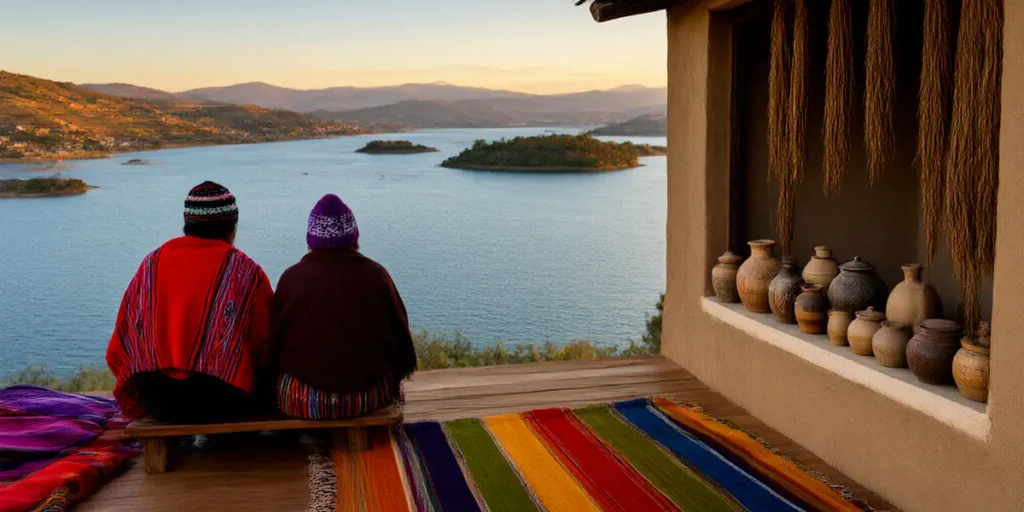
Lake Titicaca: Amantaní Island Homestays for Australian Travellers
We still remember the moment our boat nudged against the stone jetty on Amantaní. Before we’d even shouldered our packs, a woman in a red pollera skirt and bowler hat was waving us towards her, calling out “Buenas tardes!” and leading us up a dusty path to a courtyard where guinea pigs scurried under a eucalyptus tree and a pot of quinoa soup was already simmering. Compare that to the standard Lake Titicaca day tour — two hours on a packed boat, a quick photo stop at the Uros floating islands, a rushed lunch, and back to Puno by dark. The difference isn’t just the pace. It’s the entire point of the visit.
Why Choose an Amantaní Homestay Over a Standard Lake Titicaca Tour
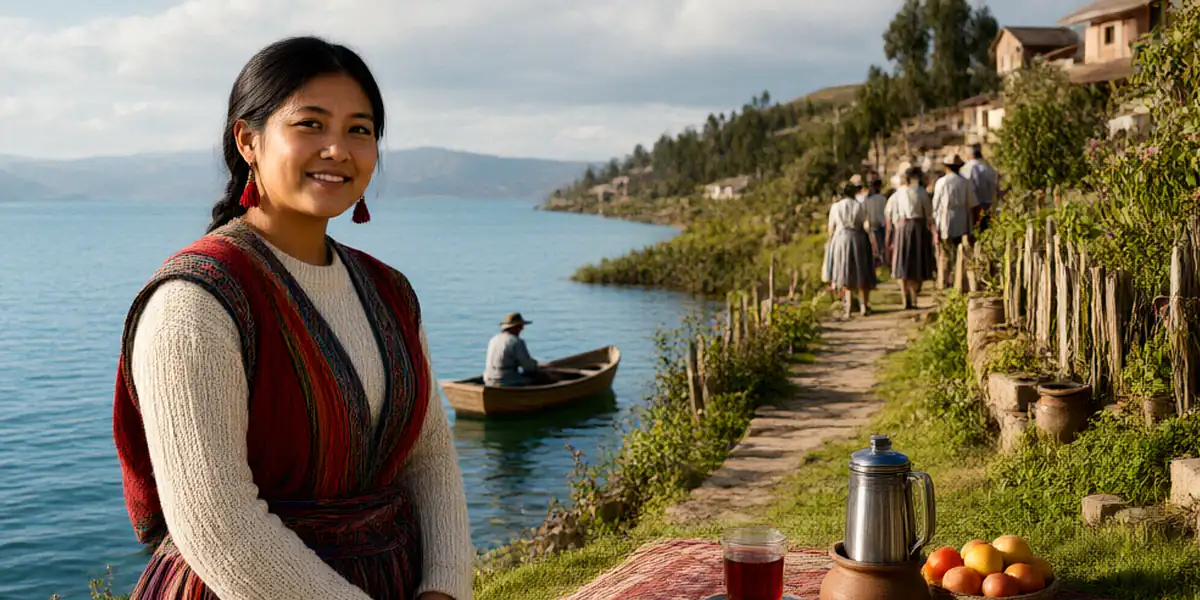
Amantaní is the largest island on the Peruvian side of Lake Titicaca, home to roughly 4,000 Quechua-speaking residents spread across ten communities. There are no hotels, no ATMs, and no cars — just terraced hillsides, two ancient temples, and families who have hosted visitors for decades through a rotating community tourism system. Most tours out of Puno include a homestay night as part of a two-day package, but independent travellers can arrange one directly through a Puno agency or a community association. Either way, you sleep in a family’s compound, eat what they eat, and wake up to roosters instead of an alarm clock.
Amantaní vs Uros vs Taquile: What’s the Difference?
The Uros floating islands are a fascinating engineering curiosity, but they’re heavily commercialised and most visits last under two hours. Taquile is famous for its textile cooperative and knitted hats — worth a stop, but day-trippers usually see only the main plaza. Amantaní is where you actually stay put, share meals, and get invited to a dance in the community hall. If you have time for only one island experience, we’d pick Amantaní every time.
The Cultural Exchange You Won’t Get on a Day Trip
On a day tour you’re a spectator. On Amantaní you’re a guest. Families will teach you a few Quechua phrases, show you how to harvest potatoes, and pull you into a game of volleyball on the village court. It’s awkward, warm, and genuinely memorable — the kind of thing that ends up being the highlight of a Peru travel itinerary rather than a footnote.
How to Book an Amantaní Homestay (and What It Costs)
Bookings typically run through Puno-based tour agencies or directly with families via community tourism associations like the ones coordinated through the island’s ten sectors. Most homestays cost between S/80 and S/150 per person per night, including meals. Some operators accept PayPal or bank transfer in advance, but many prefer cash on arrival.
Booking Through a Puno Agency vs Direct Community Contact
Agencies on Jirón Lima or near the Puno terminal handle transport, meals, and a guide in one package — convenient if your Spanish is shaky. Direct contact is cheaper and more personal, but you’ll need conversational Spanish and patience with WhatsApp replies.
What’s Included: Meals, Transport, and Guides
- Return boat transport from Puno (often with a Uros stop)
- One night’s accommodation in a family compound
- Three meals: lunch, dinner, and breakfast
- An evening cultural activity, usually music or dancing
- Optional guided hike to the temples
Paying in Soles: Cash Tips for Australians
There are no ATMs on Amantaní, so withdraw soles in Puno or Cusco before you go. Bring small notes — S/10 and S/20 — because change is scarce. Keep a few extra soles for textiles, drinks, and tips.
Getting to Amantaní from Puno (and from Cusco)
The boat from Puno to Amantaní takes 3–4 hours and often stops at the Uros floating islands en route. Most travellers reach Puno from Cusco by bus (around 6–7 hours) or on the PeruRail Titicaca train, which runs a few times a week and includes meals. Australian passport holders should check current entry rules for Peru — tourist visas are generally not required for stays under 183 days, but confirm with Smartraveller before booking.
Puno to Amantaní by Boat: What to Expect
Boats leave from Puno’s main port early in the morning, usually between 7am and 8am. Bring a warm layer, sunscreen, and motion sickness tablets if you’re prone — the lake can chop up in the afternoon.
Cusco to Puno: Bus vs Train Options
Buses like Cruz del Sur and Oltursa are cheap and frequent. The PeruRail Titicaca train is slower and pricier but runs through spectacular Andean scenery with a dining car.
Arriving from Bolivia: Copacabana to Puno
If you’re coming from Bolivia, buses from Copacabana cross the border at Kasani and take about 3–4 hours to Puno. Have your passport and a photocopy ready.
What to Expect During Your Homestay: Food, Language, and Daily Life
Rooms are simple: a bed with heavy blankets, a small table, and a shared bathroom outside. Meals revolve around potatoes, quinoa, and trout, usually served in the family kitchen. Families often dress guests in traditional clothing for a dance or photo session — say yes, it’s fun. Spanish or Quechua is spoken, not English, so a phrasebook or translation app helps. We always bring small gifts like Australian souvenirs, koala keyrings, or school supplies for the kids.
Meals with Your Host Family: What You’ll Eat
Expect hearty soups, boiled potatoes with cheese, fried trout, and muña tea. Vegetarians can be accommodated if you mention it at booking.
Language Barriers: Spanish, Quechua, and Gestures
Learn a few phrases: “Allin sukhay” (good morning in Quechua), “Gracias”, “¿Cuánto cuesta?” Smiles and gestures go a long way.
Etiquette and Cultural Sensitivity Tips
- Ask before photographing people
- Don’t hand out money to children — give gifts to parents instead
- Remove your hat when entering a home
- Avoid discussing politics or mining disputes
Top Things to Do on Amantaní Island
The island has no cars or paved roads, so walking is the main mode of transport. Altitude sits around 3,800 metres, so allow time to acclimatise in Cusco or Puno first. The hike to Pachatata and Pachamama — the two main temples on Amantaní — is the signature activity, especially at sunset.
Hiking to Pachatata and Pachamama Temples
Both temples sit on hilltops at opposite ends of the island, reached by stone paths and terraced fields. Pachatata (Father Earth) offers sweeping views over Lake Titicaca; Pachamama (Mother Earth) is quieter and equally beautiful. The round trip takes 2–3 hours.
Shopping for Textiles and Crafts
Local women sell woven belts, chullos (Andean hats), and embroidered cloth at the small market near the main plaza. Prices are fair — bargaining is gentle and optional.
Swimming and Boating (If You Dare the Cold)
The water is frigid, but a few brave travellers take a dip. Most prefer hiring a small rowboat or joining a community football match instead.
Practical Tips for Australian Travellers: Health, Packing, and Safety
Altitude sickness is the biggest concern. Hydrate constantly, drink coca tea, and ask your GP about Diamox before you leave Australia. Pack warm layers, sunscreen, a headlamp, and a reusable water bottle. Petty theft happens in Puno, so keep valuables in a money belt. Travel insurance from Australian providers like Cover-More or World Nomads should include high-altitude trekking if you plan to hike. The best time to visit is May to October, the dry season.
Altitude Sickness: What Australians Need to Know
Symptoms include headaches, nausea, and breathlessness. Descend if symptoms worsen. Acclimatise in Cusco or Puno for at least 48 hours before heading to the island.
What to Pack for an Amantaní Homestay
- Thermal base layers and a fleece
- Waterproof jacket
- Sunscreen and lip balm
- Headlamp and power bank
- Small gifts for your host family
Staying Safe and Healthy on the Island
Check Smartraveller for current Peru travel advice, ensure your travel insurance covers high-altitude activities, and drink only boiled or bottled water. There are no medical facilities on Amantaní, so bring a basic first-aid kit.
FAQ
Do I need a visa to visit Peru as an Australian?
No — Australian passport holders can stay up to 183 days as a tourist without a visa. Always confirm current rules on Smartraveller before you travel.
Can I book an Amantaní homestay without a tour agency?
Yes. You can contact community tourism associations directly via WhatsApp or email, though a Puno agency is easier if you don’t speak Spanish.
How much cash should I bring to Amantaní?
Budget S/150–250 per person for one night, covering the homestay, meals, tips, and small purchases. There are no ATMs on the island.
Is Amantaní safe for solo female travellers?
Generally yes. Homestays are family-run and the island is quiet. Use common sense at night and stick to well-lit paths.
What’s the best time of year for a Lake Titicaca homestay?
May to October is the dry season with clear skies and cold nights. December to March is wetter but greener and less crowded.
An Amantaní homestay isn’t just a bed for the night — it’s a genuine cultural exchange that will sit at the heart of any Peru travel itinerary. We recommend booking at least two nights so you can hike to Pachatata and Pachamama, share meals with your host family, and actually unwind instead of rushing back to Puno. Pack your sense of humour, a few Australian souvenirs, and enough soles to last — the island will do the rest.