
Machu Picchu Tickets and Circuits Explained: A Guide for Australian Travellers
We know the feeling. You have finally locked in leave from work, booked flights from Sydney or Melbourne to Lima, and then you open the Machu Picchu ticket page — and it hits you. There are circuits, timed slots, mountain add-ons, and a confusing grid of entry times. Pick the wrong option and you could fly 12,000 kilometres and miss the classic postcard view from the Guardhouse. That is exactly why we put this guide together. Understanding Machu Picchu tickets and circuits before you book is the single most important step in planning a smooth visit, and it is the mistake we see Australian travellers make most often.
Why Machu Picchu Tickets and Circuits Matter
Since 2019, entry to Machu Picchu has been strictly regulated. You cannot simply turn up at the gate, buy a ticket, and wander in. Every visitor needs a timed entry slot and a designated circuit, and your ticket is checked against your passport at the entrance. The system was introduced to protect the site from overcrowding and erosion, and it is here to stay.
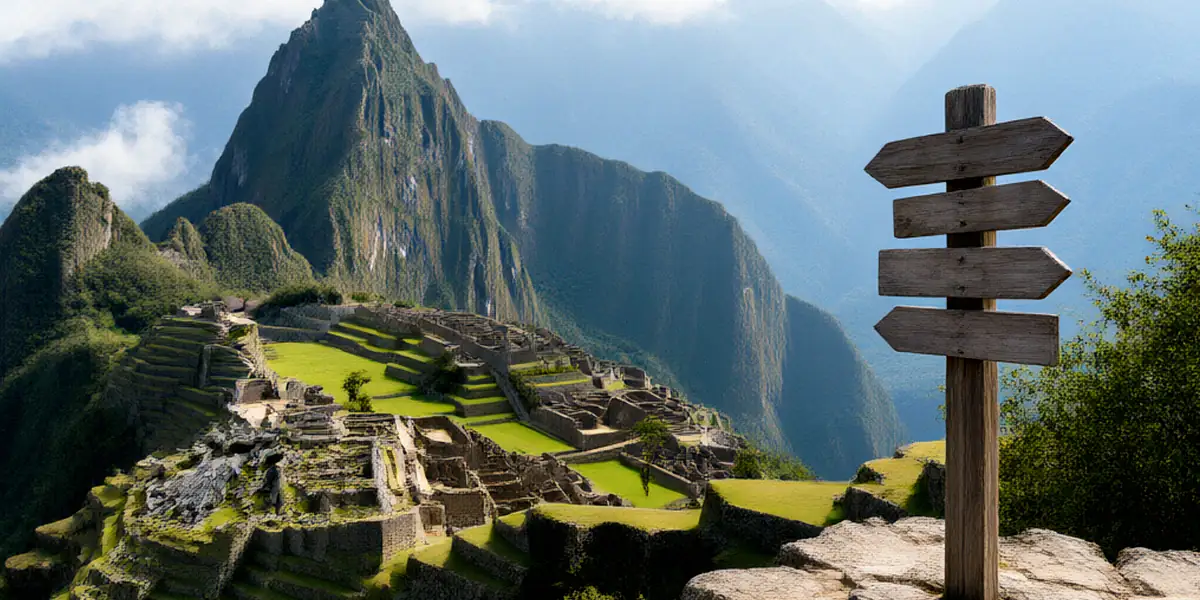
The practical consequence is simple: the ticket you buy determines where you can walk, which viewpoints you can reach, and how long you get inside the citadel. Buy the wrong one and you may find yourself on a lower terrace route with no access to the upper terraces or the Guardhouse — the spot where every iconic Machu Picchu photo is taken.
The New Entry System: Timed Slots and Circuits
When you book, you choose both a circuit and an entry time. Slots run through the morning and early afternoon, and you must arrive within your allocated window. Once inside, you follow a one-way route along your assigned circuit. Guides are mandatory for certain circuits, and re-entry is not permitted, so once you exit, your visit is over.
Consequences of Choosing the Wrong Ticket
We have met travellers who booked “Machu Picchu Only” assuming it covered everything, then discovered their circuit did not include the upper terraces. Others booked Huayna Picchu without realising how steep and exposed the climb is. The most common disappointment is missing the classic Guardhouse viewpoint because the ticket did not include Circuit 2. Check the circuit details carefully before you pay — there are no refunds or swaps at the gate.
Types of Machu Picchu Tickets Available
There are four main ticket categories, and each one suits a different type of traveller. Availability varies enormously, so we recommend deciding what you want well before tickets go on sale.
Machu Picchu Only (Circuit 1, 2, or 3)
This is the standard entry ticket and the one most Australians buy. It gives you access to the citadel along one of three circuits, without any additional mountain climb. If you want the classic photo and a comprehensive walk through the main sectors, choose the Machu Picchu Only ticket that includes Circuit 2.
Machu Picchu + Huayna Picchu
This ticket adds a climb of the iconic peak that towers behind the ruins. It is steep, narrow in places, and not for anyone with a fear of heights, but the views over the citadel are unforgettable. Be warned: Huayna Picchu tickets sell out 3-4 months in advance, especially for June-August, which overlaps with Australian school holidays and the peak European and North American travel season. If this climb is on your bucket list, book the moment tickets are released.
Machu Picchu + Machu Mountain
Machu Mountain (also called Montana Machu Picchu) is the taller, longer alternative to Huayna Picchu. The hike takes roughly three to four hours return and offers a different, higher perspective over the ruins. It is less popular than Huayna Picchu, so tickets tend to remain available slightly longer, but it demands a good level of fitness and an early start.
Machu Picchu + Huchuy Picchu
Huchuy Picchu is the smallest and easiest of the add-on climbs, taking around 45 minutes return. It is a good compromise if you want a elevated viewpoint without committing to a multi-hour hike. Availability is generally better than Huayna Picchu, making it a solid backup option.
Understanding the Circuits: Which One Should You Choose?
Circuits are the part that confuses most people, so let us break them down clearly.
Circuit 1: The Classic View
Circuit 1 is the shortest route and focuses on the upper terraces and the Guardhouse viewpoint. If your main goal is that one perfect photo and you are short on time, this works well. Note that Circuit 1 is often combined with a specific entry time and can be restrictive in how much of the site you see.
Circuit 2: The Complete Experience
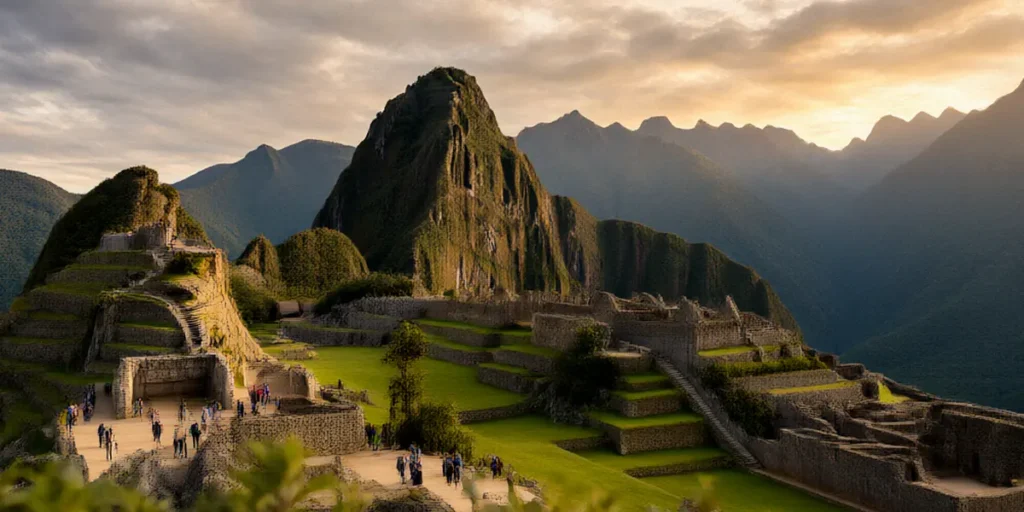
Circuit 2 is the most comprehensive route and the one we recommend for first-timers. It is the only circuit that includes the classic postcard view from the Guardhouse, plus the upper and lower terraces, the Temple of the Sun, and the main plaza areas. If you are visiting Machu Picchu once in your life, this is the ticket to aim for.
Circuit 3: The Off-the-Beaten-Path Option
Circuit 3 covers the lower terraces, the agricultural sector, and the Inca Bridge trail. It is quieter and offers a different perspective, but it does not include the Guardhouse viewpoint. Choose this if you have visited before or want to avoid the busiest sections.
How to Buy Tickets from Australia
Buying from Australia is manageable, but timing is everything. Here is how we approach it.
Official Website vs. Tour Operators
The official ticket website is machupicchu.gob.pe and requires a passport number for every visitor. The site can be slow, and it sometimes blocks foreign IP addresses, so many Australians use a VPN set to Peru to complete the purchase. If that sounds like too much hassle, agencies such as Peru Hop, GetYourGuide, and local Cusco operators sell tickets bundled with transport and guides. You pay a markup, but you get English-language support and someone else handling the logistics.
Release Dates and Booking Windows
Tickets release in batches, usually a few months ahead, and the best slots disappear within hours. For June-August travel, we suggest starting your research at least four to five months out. Set a calendar reminder for release dates and be ready to book immediately.
Payment and Passport Requirements
You will need a valid passport number at the time of booking, and the name on your ticket must match your passport exactly. Bring your physical passport on the day — photocopies are not accepted. International credit cards are usually fine, though some Australian cards trigger fraud alerts, so let your bank know before you try.
Tips for Australian Travellers: Timing, Altitude, and Logistics
Flying in from sea level to 3,400 metres is no joke. Here is what we tell every Australian heading to Machu Picchu.
Acclimatisation in Cusco
Australians should acclimatise in Cusco for 2-3 days before visiting Machu Picchu. Use that time to drink plenty of water, eat lightly, and take it easy. Coca tea helps, and most hotels can arrange oxygen if needed. Do not schedule the Inca Trail or a big hike on day one.
Getting There: Train and Bus
The standard route is a train from Ollantaytambo to Aguas Calientes, operated by PeruRail and Inca Rail. From Aguas Calientes, a shuttle bus climbs the switchback road to the Machu Picchu entrance. Book train tickets early during peak season, and allow a buffer day in case of delays.
Best Time to Visit for Australians
Shoulder season — April-May or September-October — offers the best balance of decent weather and smaller crowds. June-August is dry but busy, and December-March is wet with a higher chance of trail closures. If you can travel outside school holidays, you will have a much calmer experience.
- Book Huayna Picchu 3-4 months ahead for June-August travel.
- Choose Circuit 2 for the classic Guardhouse view.
- Use machupicchu.gob.pe with a VPN if needed, or book via a reputable operator.
- Acclimatise in Cusco for 2-3 days before heading to the ruins.
- Travel in April-May or September-October for fewer crowds.
Securing the right ticket and circuit in advance is the key to a stress-free Machu Picchu experience. Book early, choose Circuit 2 if it is your first visit, and give yourself time to adjust to the altitude. Do that, and the only thing left to worry about is which photo to post first.
FAQ
Do I need a guide to visit Machu Picchu?
For most circuits, a guide is not strictly mandatory, but certain routes and add-on climbs require one. We recommend hiring a licensed guide regardless — the history and context transform the visit, and many operators include a guide in their ticket packages.
Can I buy Machu Picchu tickets at the gate?
No. Tickets must be purchased in advance online or through an authorised operator. The site regularly sells out, especially from June to August, so turning up without a ticket is a real risk.
How far in advance should Australians book?
For peak season (June-August), aim for four to five months ahead, particularly if you want Huayna Picchu. For shoulder season, two to three months is usually enough, but earlier is always safer.
What happens if my passport number changes after booking?
Your ticket is tied to the passport number you provide at purchase. If your passport is renewed before travel, contact the operator or the official ticket office as soon as possible to update your details — do not leave it until you arrive at the gate.
Is Machu Picchu suitable for children or older travellers?
Yes, with planning. The main circuits involve stairs and uneven stone paths, but they are manageable at a slow pace. The altitude in Cusco is often the bigger challenge, so build in acclimatisation days for everyone in your group.