
Cusco and Altitude: How to Acclimatise for Your Peru Adventure
You step off the plane at Alejandro Velasco Astete International Airport, and within ten minutes it hits you — a dull pressure behind the eyes, breathlessness on a short walk to the taxi rank, and the strange feeling that the air simply isn’t going in. Welcome to Cusco. At 3,400 metres above sea level, this is one of the highest cities in the world, and for Australians arriving from near sea level, the first day can feel genuinely confronting. The good news: with sensible preparation and patience, altitude sickness is manageable, and most travellers feel human again within 48 hours.
Why Cusco’s Altitude Hits Australians Hard
Cusco sits at 3,400 metres. Australia’s highest peak, Mount Kosciuszko, tops out at 2,228 metres — and almost nobody lives anywhere near that height. Most Australians fly into Peru via Lima, essentially at sea level, then take a short domestic flight up to Cusco. That’s a jump of more than 3,000 metres in a couple of hours, with no time for your body to adapt. The result is that altitude sickness, known locally as soroche, catches a lot of Australians off guard on day one.
Altitude sickness can affect anyone regardless of fitness. Marathon runners and gym regulars get hit just as hard — sometimes harder, because fitter travellers tend to push themselves too early.
The Science of Altitude Sickness
At 3,400 metres, air pressure is lower, so each breath delivers roughly a third less oxygen than at sea level. Your body responds by breathing faster and raising heart rate, then gradually producing more red blood cells. That adaptation — acclimatisation — typically takes two to four days. Push too hard before it happens and you get symptoms.
Common Symptoms to Watch For
- Headache, often the first and most common sign
- Shortness of breath on mild exertion, such as climbing stairs
- Nausea, loss of appetite or vomiting
- Dizziness and light-headedness
- Fatigue and disturbed sleep, including waking up gasping
- In severe cases: confusion, breathlessness at rest, or a wet cough — seek medical attention immediately
Before You Fly: Preparation Tips for Aussies
The best time to deal with altitude is before you leave Australia. A few practical steps now will make your first days in Cusco far easier.
Medication and Travel Insurance
Book an appointment with a travel doctor at least six weeks before departure. Diamox (acetazolamide) is commonly prescribed for altitude sickness — it speeds up acclimatisation and reduces symptoms, though it’s not a free pass to sprint up Rainbow Mountain on day two. Your doctor can advise whether it suits you, since it interacts with some medications.
Just as important: check your travel insurance. Australian providers like Cover-More and Allianz may cover altitude-related medical care, but policies vary widely. Some exclude high-altitude activities above a certain elevation, and many exclude trekking above 4,000 metres unless you’ve added cover. Read the PDS carefully and call the insurer if anything is unclear — an evacuation from the Inca Trail is not something you want to fund yourself.
Choosing Your Arrival Route
Rather than flying straight from Lima to Cusco, consider breaking the journey. Options we recommend:
- Fly Lima to Cusco, but spend your first night in the Sacred Valley (Pisac, Urubamba or Ollantaytambo), which sits lower than Cusco and helps with acclimatisation.
- Take a bus or private transfer from Lima through Arequipa or into the Sacred Valley, gaining altitude gradually over a day or two.
- If you must fly directly to Cusco, plan a completely empty first day — no tours, no rushing.
Your First 48 Hours in Cusco: What to Do (and Avoid)
Day 1: Rest and Hydrate
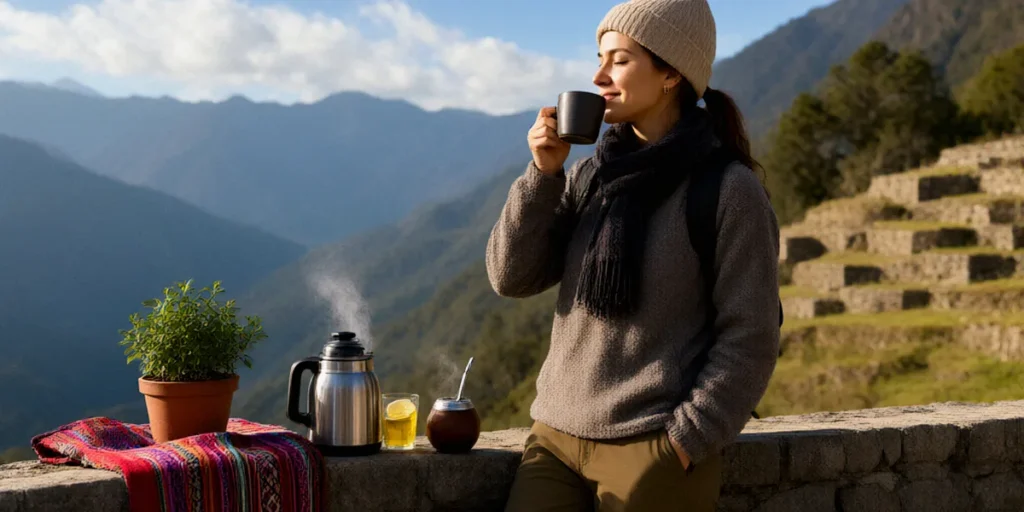
Arrive, check in, and do almost nothing. Drink two to three litres of water across the day — more than you think you need. Order a coca tea at your hotel; it’s mild, legal, and genuinely helps with symptoms. Eat lightly: soup, rice, bread, plain chicken. Avoid alcohol entirely on day one, and go easy on caffeine. If you have a headache, paracetamol or ibuprofen is fine. Diamox, if prescribed, should be started before arrival or as directed by your doctor.
Day 2: Gentle Exploration
If you’re feeling okay, a slow wander is fine. The Plaza de Armas is flat, central and perfect for a gentle stroll, with benches, cafes and the cathedral to explore at an unhurried pace. For coca leaves and coca products, head to San Pedro Market — vendors sell coca leaf by the bag, plus coca sweets and tea that many travellers swear by. Keep the walking short, avoid steep streets like those up to San Blas, and sit down whenever you feel breathless. If you feel worse rather than better, stay in and rest — that’s not weakness, it’s strategy.
Acclimatisation Strategies for Machu Picchu and Inca Sites
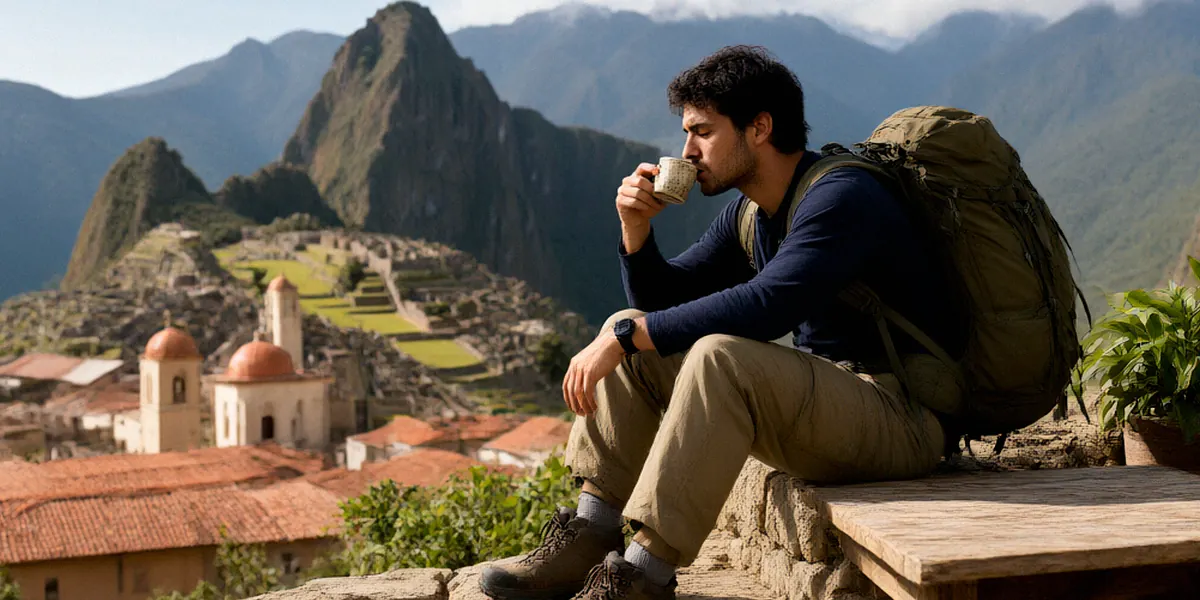
Here’s a fact that surprises many Australians: Machu Picchu itself sits at about 2,430 metres, considerably lower than Cusco. Most people actually feel better once they arrive at the ruins. The real altitude challenges are the Inca Trail (which crosses Dead Woman’s Pass at 4,215 metres), Rainbow Mountain (over 5,000 metres), and the high passes around Cusco.
Sacred Valley as a Buffer
The Sacred Valley is lower than Cusco and helps with acclimatisation — Pisac sits around 2,970 metres and Urubamba around 2,870 metres. Spending two or three nights in the valley before heading to Cusco or starting a trek is one of the smartest moves you can make. You’ll sleep better, eat better, and arrive at altitude with your body already partway adapted.
Trekking Prep and Pacing
For the Inca Trail, Rainbow Mountain or any high-altitude hike, we suggest at least two to three nights in Cusco or the Sacred Valley beforehand. On the trail itself, walk slowly and steadily — “pole pole” as the porters say. Take the offered breaks. Drink water constantly. Tell your guide immediately if you feel unwell; they carry oxygen and are trained to spot trouble. Don’t try to keep up with anyone else’s pace.
When to Seek Help: Medical Resources in Cusco
Most altitude symptoms resolve with rest and time. But if you’re getting worse, not better, get medical help. Cusco has several clinics experienced with travellers.
English-Speaking Clinics
- Clínica San Blas — central, used to dealing with altitude cases, some English-speaking staff
- Hospital Alberto Barton — larger facility with emergency services and oxygen therapy
- Clínica Pardo — another well-regarded private option in Cusco
Hotels can usually arrange a doctor to visit your room, and most tours include oxygen on hand. Severe cases may involve a hyperbaric chamber or descent to a lower altitude, which is the single most effective treatment.
Insurance and Emergency Contacts
Before you fly, save your insurer’s 24-hour emergency number in your phone. You’ll typically need to call them before treatment where possible, and keep every receipt. Also register with Smartraveller and note the Australian Embassy in Lima for serious situations.
Our Team’s Top Altitude Tips for Australian Travellers
After sending plenty of Aussies to Peru, these are the takeaways that matter most:
- Arrive early — give yourself two to three days in Cusco or the Sacred Valley before any big hike
- Listen to your body; a rest day now prevents a ruined week later
- Pack coca tea, electrolytes and plenty of water
- Don’t rush — slow walking is the single best acclimatisation tool
- Skip alcohol for the first 48 hours
- Consider Diamox after speaking with your travel doctor
- Check your travel insurance covers altitude and trekking before you leave Australia
Acclimatising is a marathon, not a sprint. The travellers who have the best Peru travel experience are the ones who build in buffer days, drink more water than feels necessary, and treat the altitude with a bit of respect. Do that, and Cusco stops being a hurdle and becomes one of the highlights of your whole journey.
FAQ
How long does it take to acclimatise to Cusco’s altitude?
Most people notice significant improvement within 48 to 72 hours. Full acclimatisation takes longer, but by day three in Cusco or the Sacred Valley, the majority of travellers feel close to normal. Give yourself at least two nights before attempting any high-altitude trek.
Do I need Diamox for Cusco?
Not everyone does, but it’s commonly prescribed for altitude sickness and many Australians take it as a precaution. Speak with a travel doctor before you leave — Diamox has side effects and isn’t suitable for everyone. It helps with acclimatisation but doesn’t replace a sensible, gradual approach.
Is Machu Picchu higher than Cusco?
No — Machu Picchu sits at roughly 2,430 metres, well below Cusco’s 3,400 metres. Most visitors actually feel better at the ruins than in the city. The high-altitude risks come from treks like the Inca Trail and Rainbow Mountain, not the citadel itself.
Will my Australian travel insurance cover altitude sickness?
It depends on the policy. Providers like Cover-More and Allianz may cover altitude-related medical care, but many policies exclude trekking above certain elevations unless you’ve added cover. Read your PDS carefully and call your insurer before departure to confirm what’s included.
What should I do if I feel really unwell in Cusco?
Stop all activity, rest, hydrate and take paracetamol for headaches. If symptoms worsen — especially breathlessness at rest, confusion or a wet cough — seek medical help immediately at a clinic such as Clínica San Blas or Hospital Alberto Barton. Descending to a lower altitude is the most effective treatment for serious altitude sickness.